
Why Are Fossil Shark Teeth Different Colors?
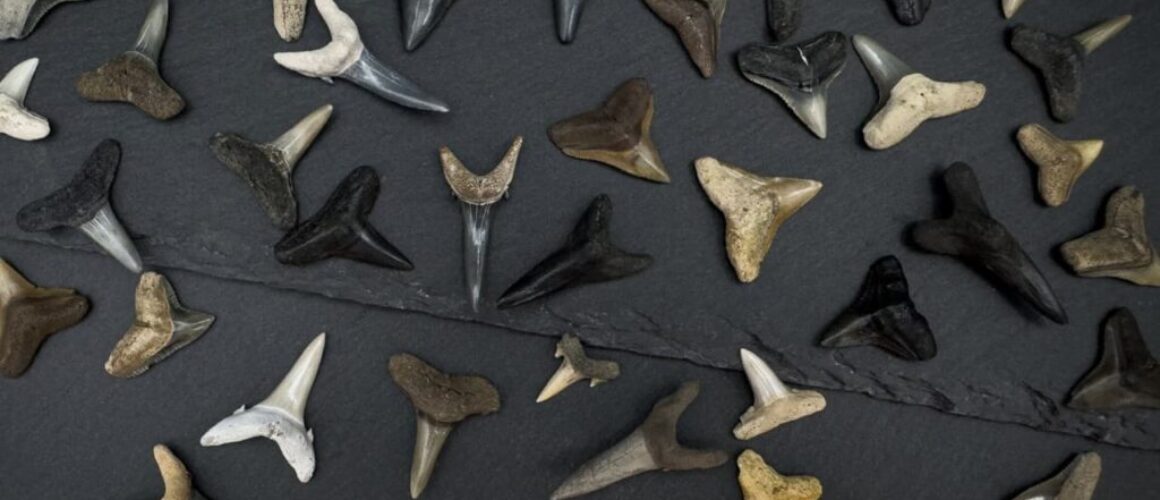
One of the most fascinating things about fossil shark teeth is that they can appear in so many different colors. Some are deep black, others are gray, blue, brown, beige, red, cream, or even almost white.
These colors are not painted, dyed, or artificially added. They are the result of fossilization — a natural process that happens when a shark tooth is buried in sediment and slowly transformed over millions of years.
That means the color of a fossil shark tooth is part of its story. It can tell us something about the minerals, soil, sediment, and environment that surrounded the tooth long after the shark itself was gone.
Why Shark Teeth Fossilize So Well
Sharks constantly lose and replace their teeth throughout their lives. Because of this, shark teeth are one of the most commonly found shark fossils.
Unlike soft tissue, teeth are hard and mineral-rich, which makes them much more likely to survive long enough to fossilize. Once a tooth is buried in sediment, it can remain protected from weathering, movement, and decay. Over time, minerals from the surrounding environment begin to interact with the tooth and slowly change its appearance.
This is why fossil shark teeth from different locations often look completely different, even when they come from the same shark species.
The Role of Minerals in Fossil Shark Tooth Color
The main reason fossil shark teeth have different colors is the mineral content of the sediment around them.
As groundwater moves through layers of sand, clay, limestone, or river sediment, it carries minerals with it. These minerals can enter the tooth during fossilization and influence its final color.
Different minerals can create different tones:
- Iron can create brown, reddish, orange, or rusty colors.
- Manganese and organic-rich sediment can contribute to darker gray or black tones.
- Phosphate-rich conditions can help preserve darker fossil colors.
- Lighter sediments, limestone, or mineral-poor environments may create cream, beige, gray, or pale-colored fossils.
This is why fossil shark teeth are often connected to the place where they were found. A black fossil tooth from one region and a blue-gray tooth from another may both be completely natural — they simply formed in different geological conditions.
Why Some Fossil Shark Teeth Are Black
Black is one of the most common and recognizable fossil shark tooth colors. Many people imagine fossil shark teeth as dark, glossy, or charcoal-colored.
Black fossil teeth often form in environments rich in minerals and organic material. Over millions of years, these darker minerals can be absorbed into the tooth, giving it a deep black, gray-black, or dark brown appearance.
A black fossil shark tooth does not mean the tooth belonged to a different kind of shark. It usually reflects the conditions where the tooth fossilized.
This is why you may find black Bull shark teeth, black Lemon shark teeth, black Snaggletooth shark teeth, or dark Great White shark teeth. The species matters, but the color comes mostly from fossilization.
Why Some Fossil Shark Teeth Are Blue, Gray, or Brown
Blue, gray, and brown fossil shark teeth are especially beautiful because they often show subtle variation across the root, blade, and enamel.
These colors can happen when the tooth fossilizes in sediments with a particular mix of minerals. Clay-rich environments may produce gray or bluish tones, while iron-rich sediments can create warmer brown, tan, or reddish shades.
Some fossil teeth even show several colors at once. A single tooth may have a dark root, lighter blade, brown edges, or blue-gray highlights. These natural variations are one of the reasons fossil shark teeth are so collectible.
For jewelry, these color differences make each piece feel more personal. Even two necklaces made with the same shark species can look completely different because each fossil has its own natural history.
Why Fossil Shark Teeth from Different Locations Look Different
Location plays a huge role in fossil color.
A fossil shark tooth found in Florida may look different from one found in South Carolina, Virginia, Morocco, or Mexico. The age of the deposit, the minerals in the sediment, the water chemistry, and the surrounding geological conditions all affect the final appearance of the fossil.
That is why fossil origin is so important. It is not just a place on a certificate — it is part of the tooth’s story.
At Shark Heritage, each piece includes a Certificate of Authenticity with details about the fossil’s species, estimated age, and origin. These details help connect the jewelry to the ancient environment where the tooth was preserved.
Are White Shark Teeth Fossils?
This is where it gets important.
Not every white shark tooth is a fossil.
Fresh modern shark teeth are usually white or very light because they have not gone through the fossilization process. Fossil shark teeth can sometimes be light in color too, especially if they fossilized in pale sediment or mineral conditions that preserved lighter tones. But a very white tooth is often a sign that it may be modern rather than fossilized.
That is why it is important to know the difference between fresh shark teeth and fossil shark teeth, especially when buying shark tooth jewelry.
Shark Heritage uses genuine fossilized shark teeth — not fresh modern shark teeth. These fossils come from sharks that lived millions of years ago, making them a more ethical and meaningful choice for jewelry.
Does Color Affect the Value of a Fossil Shark Tooth?
Color can influence how a fossil shark tooth looks and how collectible it feels, but it is not the only thing that matters.
Other important factors include:
- shark species
- fossil age
- tooth size
- completeness
- enamel quality
- root condition
- rarity
- origin
- overall shape and character
For example, a large Great White shark tooth may be valuable because of its species and size, while a smaller Bull shark or Lemon shark tooth may be chosen for jewelry because of its shape, color, and wearability.
In jewelry, the “best” fossil is not always the rarest or largest one. It is the one that feels balanced, beautiful, and meaningful as a wearable piece.
Why Fossil Color Makes Shark Tooth Jewelry Unique
No two fossil shark teeth are exactly alike.
Every color, mark, texture, and natural imperfection comes from millions of years of fossilization. That is what makes fossil shark tooth jewelry different from ordinary jewelry. It is not made to look ancient — it truly is ancient.
A dark fossil tooth can feel bold and powerful. A gray or blue-toned tooth can feel rare and oceanic. A brown or beige fossil can feel warm, earthy, and natural. Each color creates a different mood, which is why choosing a fossil shark tooth necklace or bracelet often feels so personal.
At Shark Heritage, we carefully choose fossil teeth that work beautifully as jewelry while keeping their natural prehistoric character.
Fossil Shark Teeth as Wearable History
The color of a fossil shark tooth is more than decoration. It is evidence of time, minerals, sediment, and ancient environments working together over millions of years.
That is what makes fossil shark tooth jewelry so special. Each piece carries a natural story that cannot be copied or mass-produced.
Whether the tooth is black, gray, blue, brown, or pale, its color is part of the journey that turned it from a lost shark tooth into a fossil — and eventually into a piece of jewelry you can wear.
Explore Fossil Shark Tooth Jewelry
Shark Heritage jewelry is handmade with genuine fossilized shark teeth, natural gemstones, and carefully selected materials. Each piece includes a Certificate of Authenticity with details about the fossil’s species, estimated age, and origin.
Explore our handmade fossil shark tooth necklaces and bracelets to find a piece of ancient ocean history that speaks to you.